
Fayette County Owner of Record Fields
WV IAS displays the owner of record carried by each Fayette County assessment account. Owner name sits apart from mailing address and situs. The parcel result can also show district, map, parcel, and sub-parcel numbers, the legal description, deed book and page, sale date and price, appraisal components, acreage, and a GIS ID. Any current-owner check starts with those fields. Then compare the deed behind the latest transfer.
| Owner of record | Name carried on the assessment roll. |
|---|---|
| Mailing address | Address used for tax correspondence, separate from situs. |
| Situs | Street or location field for the assessed parcel. |
| Parcel key | District, map, parcel, sub-parcel, and full parcel ID where displayed. |
| Deed reference | Book and page or related recorded transfer clue. |
| Last sale fields | Sale date and price where present in the assessor record. |
The owner-of-record field says nothing about who lives there. A mailing address can sit in another town or state. Ownership may also run through an LLC, a trust, an estate, or a fiduciary arrangement. The displayed name is just a tax-roll name. It stays that way until it is matched against the recorded instrument. For a present-owner answer, dates and descriptions matter more. An unverified name match is the weakest evidence of all.
Fayette County Current Owner Roll Updates
Fayette County gives no set schedule for refreshing the assessor owner field. The refresh comes only after a deed is recorded. Officials describe map card updates as frequent. The most current card is kept at the office. So a recent sale can leave two records that disagree. FayetteDeeds shows the recorded transfer. WV IAS may still list the prior roll name until its next update.
Write down the search date, deed date, recording reference, and parcel description. If the roll seems stale, do not guess at an update window. Call the Assessor at 304-574-4240 and ask about the current card for that account.
Confirm the Current Fayette County Owner
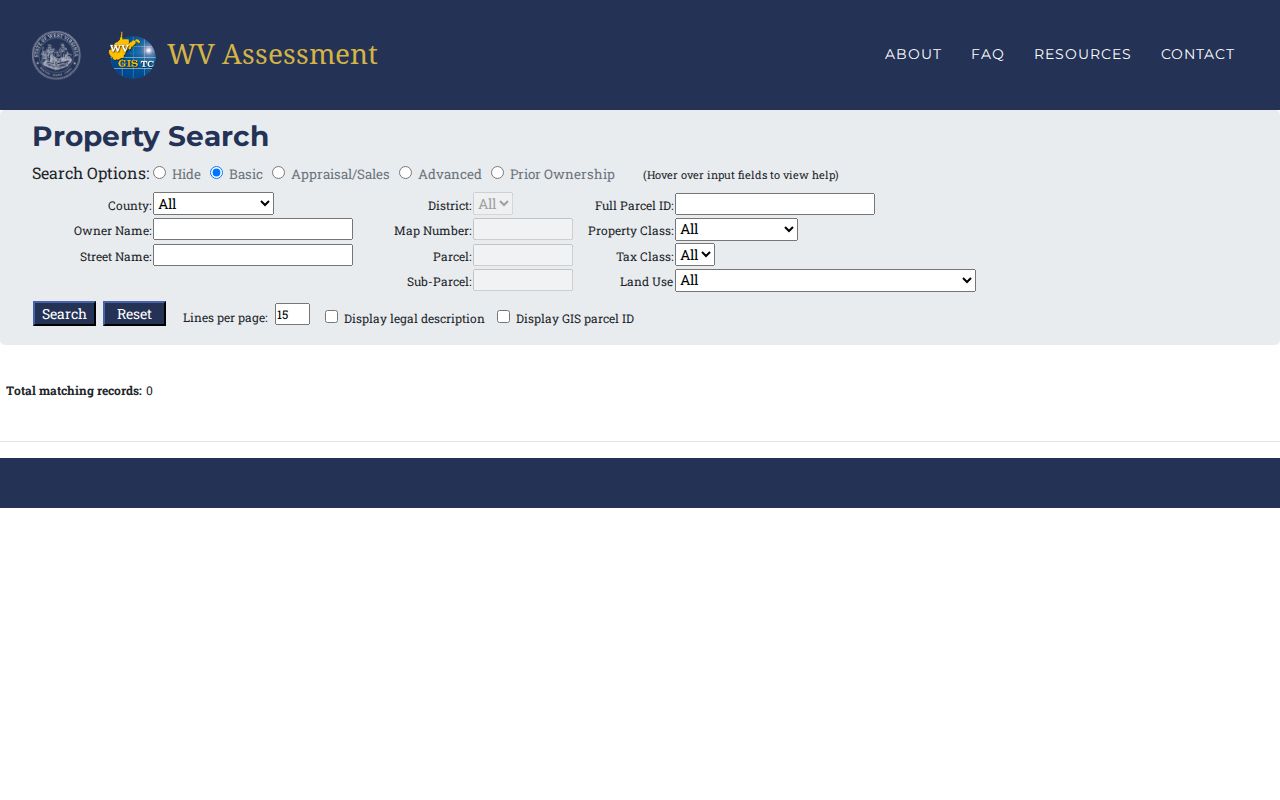
Begin with the assessor's owner name. The tax roll alone is not enough. Read the newest recorded deed. FayetteDeeds searches by grantor, grantee, both parties, property fields, instrument number, book and page, description, date range, and instrument type. Match the land description and parcel reference before treating the deed's grantee as the owner of the same property account.
- Read the owner, situs, mailing, parcel ID, legal description, and deed reference in WV IAS.
- Search FayetteDeeds for the newest deed by the displayed owner or deed book and page.
- Compare the deed’s grantee, recording date, legal description, and parcel context with the assessor result.
- Ask the County Clerk or Assessor to confirm the source record when the roll and deed differ.
- Owner of record
- The name carried on the assessment account.
- Grantee
- The party receiving the interest in the latest deed.
- Mailing address
- The tax-mail address, not necessarily the parcel’s situs.
Read the instrument type before calling a result a transfer. A deed or executor's deed may convey an interest. An affidavit of descent can document an inheritance path. A deed of correction may revise an earlier description. Mortgages, releases, and deeds of trust sit beside deeds in a land-record search, yet none of them shows that the parcel changed owners. Open the instrument image when one is available. Compare the names, recording date, legal description, and book and page. If the assessor field names an estate or representative, the supporting fiduciary or probate record may explain that party's capacity.
Fayette County Mailing and Situs
Fayette County's WV IAS result keeps mailing address and situs separate. Situs is simply where the assessed parcel sits. The mailing address is where tax correspondence goes. It may be a post-office box or another property. Use the split to find the right parcel. It also helps you read a tax notice correctly. Do not treat the mailing address as proof of residence, though.
A city name in the mailing field can differ from the municipality that controls zoning. Fayette County's rural routes, town edges, and annexation history make a city label a weak jurisdiction test. Compare the county parcel map with a city-limits map. Do this whenever a current-owner question ties into local land-use records.
Fayette County Assessor Map Card
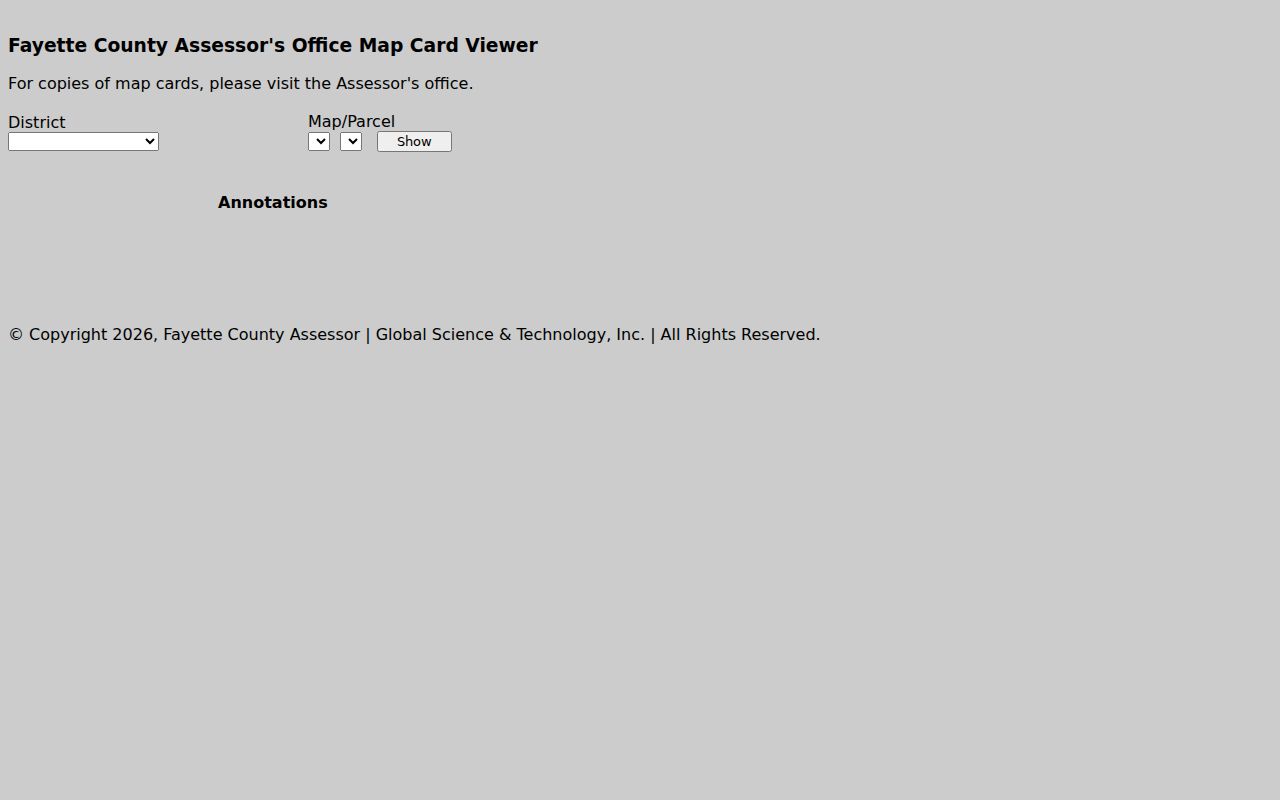
The Assessor's map-card viewer works from District, Map, and Parcel selectors. Pick those three values. The card can confirm that an assessor account and a map reference describe the same parcel. The county cautions that cards update frequently. The office holds the most current version. Use the card as an assessment reference beside the deed book and page and the legal description, especially after a recent sale.
Fayette County Entity and Estate Names
The current owner field may name a company, trust, estate, or fiduciary rather than a person. Search the exact grantee style printed on the deed. Include any trustee or representative capacity. A business filing can clarify an LLC's formal name and status. It still does not identify the owner of each property account. An estate transfer may involve a will, fiduciary record, affidavit of descent, or executor's deed.
For the present-owner question, stop once the latest deed is verified against the parcel. A longer backward chain belongs to historic ownership research. If a name stays unclear, ask the Clerk about the document reference. Ask the Assessor about the account. A mailing address alone never identifies the person.
Fayette County Owner Record Questions
An owner result that seems off needs context before anyone calls. Note the source, the date, the parcel ID, the deed reference, and the legal description. The Fayette County Assessor's real-estate office is at 304-574-4240; the County Clerk is 304-574-4327, and the record room is 304-574-4262. Ask which record is current for the roll or recording question. Each office runs a different system and may need a specific account or book and page to answer.
West Virginia's Safe at Home Address Confidentiality Program lets a qualifying participant use a substitute mailing address. Privacy limits attach to specific records. A tax mailing field is never permission to approach or pressure a person.
When to Verify a Fayette County Owner
Some situations call for verification. A recent sale is one. A parcel held in an entity name is another. So is an owner field that disagrees with the deed records. Confirm what you found with the custodian. Keep the deed and the assessor's appraisal roles distinct in your notes. A name in public property records identifies the owner of record, not who lives there. The current online view may not show every interest in the parcel.
Lawful use. Use Fayette County owner records for property diligence and public-record research. Do not use a name or address to stalk, intimidate, or harass a person.