
How to Find Who Owns a Fayette County Property
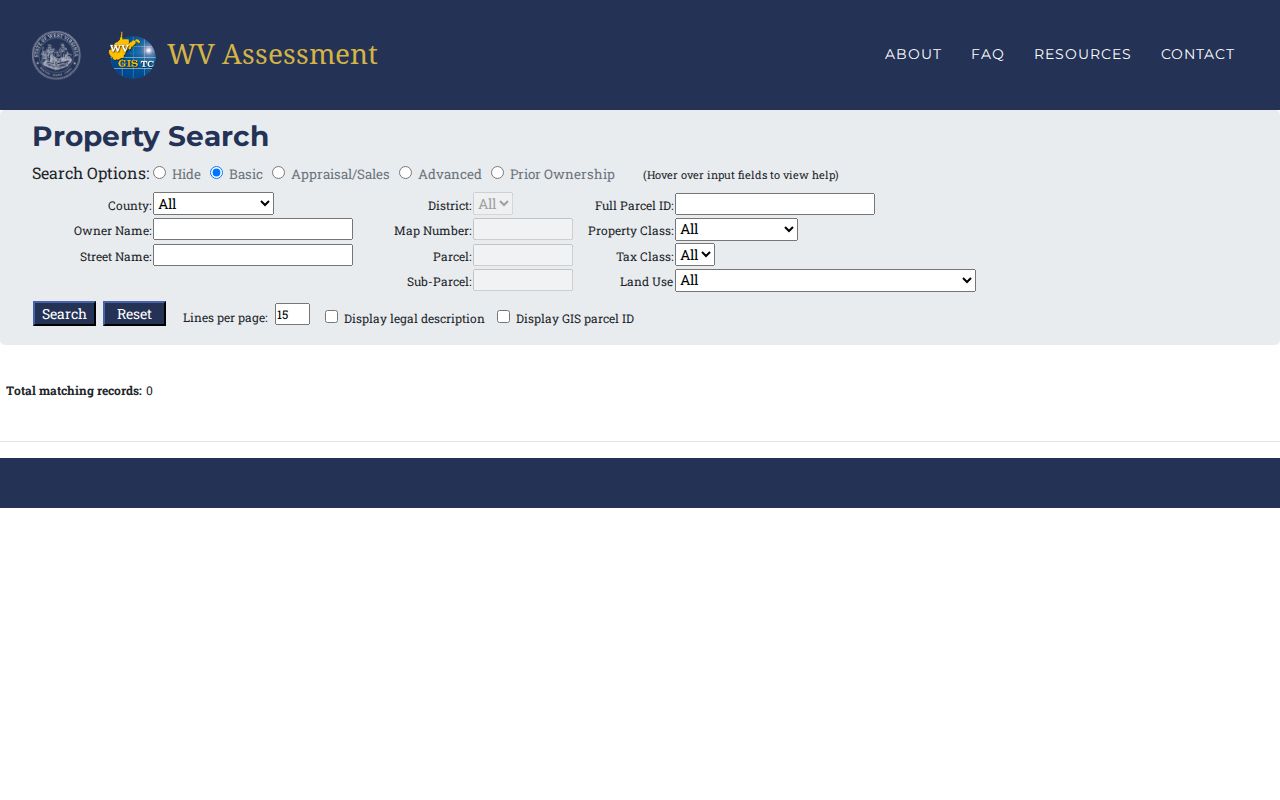
The fastest path from an address to an owner name in Fayette County starts at the assessor. WV IAS accepts a street, owner, or parcel clue. It returns the parcel's owner-of-record field, mailing address, situs, legal description, and deed book and page. That detail lets you confirm the right parcel before opening FayetteDeeds. One caution is worth knowing. The name on the assessor roll and the grantee in a deed can differ. This happens when one record is newer than the other.
- Search WV IAS by address, owner name, or the parcel ID and note the legal description.
- Use the assessor’s deed book/page or owner name to search FayetteDeeds for the latest recorded transfer.
- Compare the deed parties and land description with the assessor parcel before treating the names as a match.
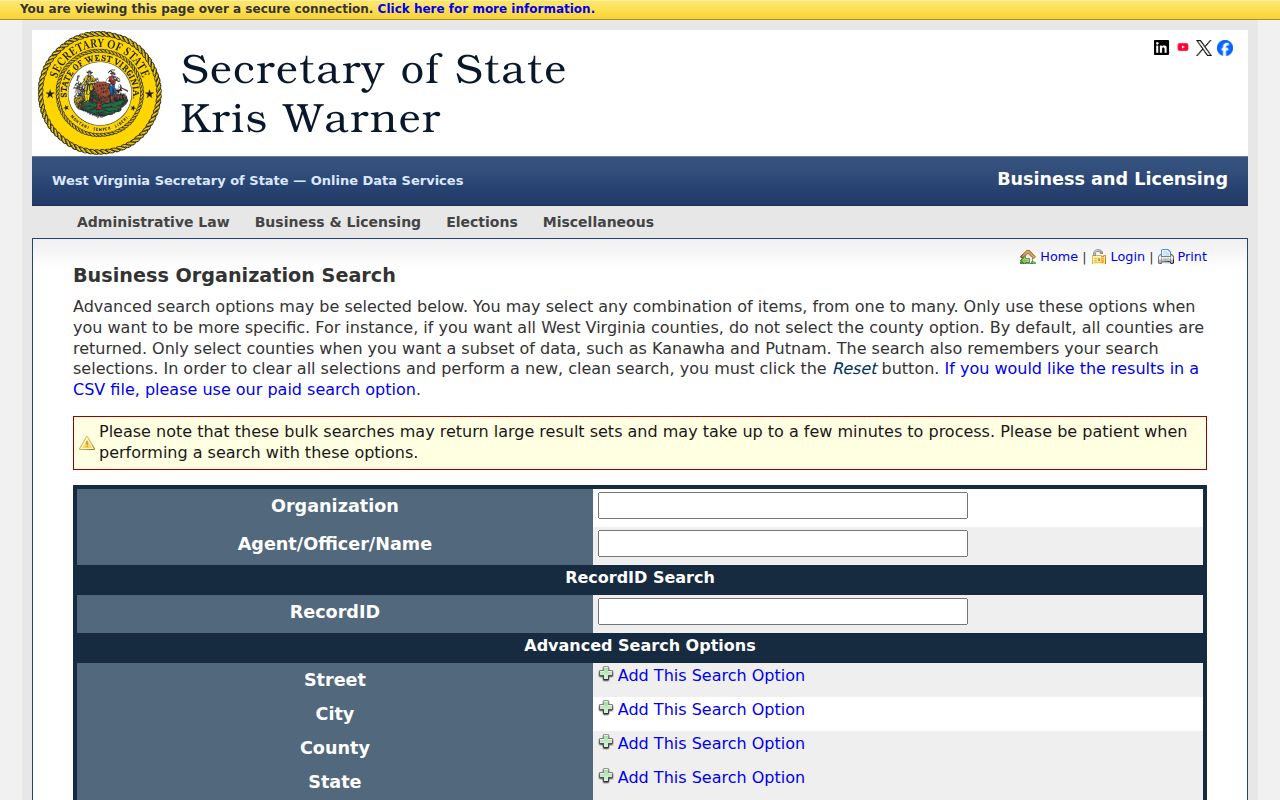
- If the grantee is a business entity, use the West Virginia Secretary of State record to understand its formal name and status.
Never mistake the mailing address for the property's location. It is also not an invitation to contact a person. It is simply a tax correspondence field, and it can point somewhere else entirely. If the newest deed and the roll disagree, note both dates. Then ask the County Clerk or the Assessor which entry is current for that purpose.
Fayette County Owner Field and Deed
The assessor's owner field is the owner of record on the assessment roll. It is a handy way to find the name tied to a parcel. It is not a warranty or a title opinion. Fayette County's map-card page notes that cards are updated frequently. The office holds the most current version. The county publishes no fixed lag between a deed's recording date and the owner field changing. A deed can record on one day, and the roll updates on its own schedule.
For a recent sale, use the latest deed's grantee, recording date, book and page, and legal description. Set those details beside the parcel card. A just-recorded deed can easily be newer than the assessor roll. When dates or names differ, the latest recorded document is the stronger source for the transfer itself. The Assessor remains the authority for the tax-roll record.
Where Fayette County Property Owner Names Come From
Owner information in Fayette County comes from a small set of public record types. The assessor holds the tax-roll owner and parcel attributes. The County Clerk records deeds and related instruments. The state business search can explain a company name. The GIS map places the parcel in context. Each source updates on its own schedule. A reliable answer comes from comparing fields rather than copying a name from a single screen.
For a who-owns lookup, tie the property owner name to both the parcel description and the newest recorded deed. Only then call it the current county record.
| Source | Owner Info It Gives | Access |
|---|---|---|
| Assessor / WV IAS | Owner of record, situs, mailing, legal description, value | Public statewide portal |
| County Clerk / FayetteDeeds | Grantor, grantee, recorded date, document reference | Public index; images/copies vary |
| Secretary of State | Formal entity name, status, agent, and filings | Public business search |
| GIS / map card | Parcel location and assessor map reference | Reference map and card tools |
The owner of record may not be anyone who lives at the situs. Likewise, a tax-mailing address proves nothing about residence. A parcel can sit in the name of an LLC, a trust, an estate, or a fiduciary. A permit applicant or contractor may describe work on the land without holding any ownership stake at all. For title questions, compare the recorded deed and its legal description instead of inferring ownership from occupancy, an application, or a business address.
Fayette County LLC and Trust Property Owners
An owner name in Fayette County may belong to an individual or a company. It may also belong to a trustee, a fiduciary, or an estate. Search the formal grantee name exactly as it appears in the deed. Include abbreviations or a trustee capacity. West Virginia's advanced business search accepts an organization or agent name. It also filters by county, organization type, dates, and status. Its record can reveal the entity behind a grantee. But it cannot establish that the entity owns a particular parcel.
After the business filing, return to WV IAS and FayetteDeeds. Compare the precise entity name, deed date, parcel ID, and legal description. A trade name may differ from the corporation or LLC name in the deed. A dissolved or inactive business result does not erase an earlier recorded transfer, either. The Clerk's instrument remains the land-record evidence.
Fayette County Property Owner Mailing and Situs Addresses
WV IAS keeps the mailing address and the situs street as separate fields. The situs points to the parcel's location; the mailing address is where tax correspondence goes. A mailing address may be a post-office box or a different property altogether. It can help distinguish records. It should never be treated as proof of where an owner lives. It should never be treated as a reason to approach that person.
Fayette County's mountain roads and town edges complicate addresses. Postal city names and municipal limits rarely line up. Use USPS to verify a ZIP for a specific address. Lean on county GIS maps and city limit maps to settle jurisdiction. Street numbering or road names have changed over time. The deed's legal description then gives a far more durable cross-reference than the current address.
Fayette County Property Owner Homestead Evidence
A homestead exemption ties a tax account to an owner-occupied residence. In Fayette County, eligibility depends on age or disability. The applicant must also meet state residency and occupancy terms. The applicant must hold a name on the deed or mobile-home title. Qualifying owners get the first $20,000 of assessed value exempt. That exemption is helpful context when you read a tax record. Still, it proves nothing about deed priority after a sale.
A missing exemption flag is not proof either. It does not show a house is vacant or that the owner lives elsewhere. The program runs on an application, and status can change over time. When ownership is the real question, pull the current assessor entry. Then compare the newest deed.
Fayette County Property Owner Map Card Cross-Check
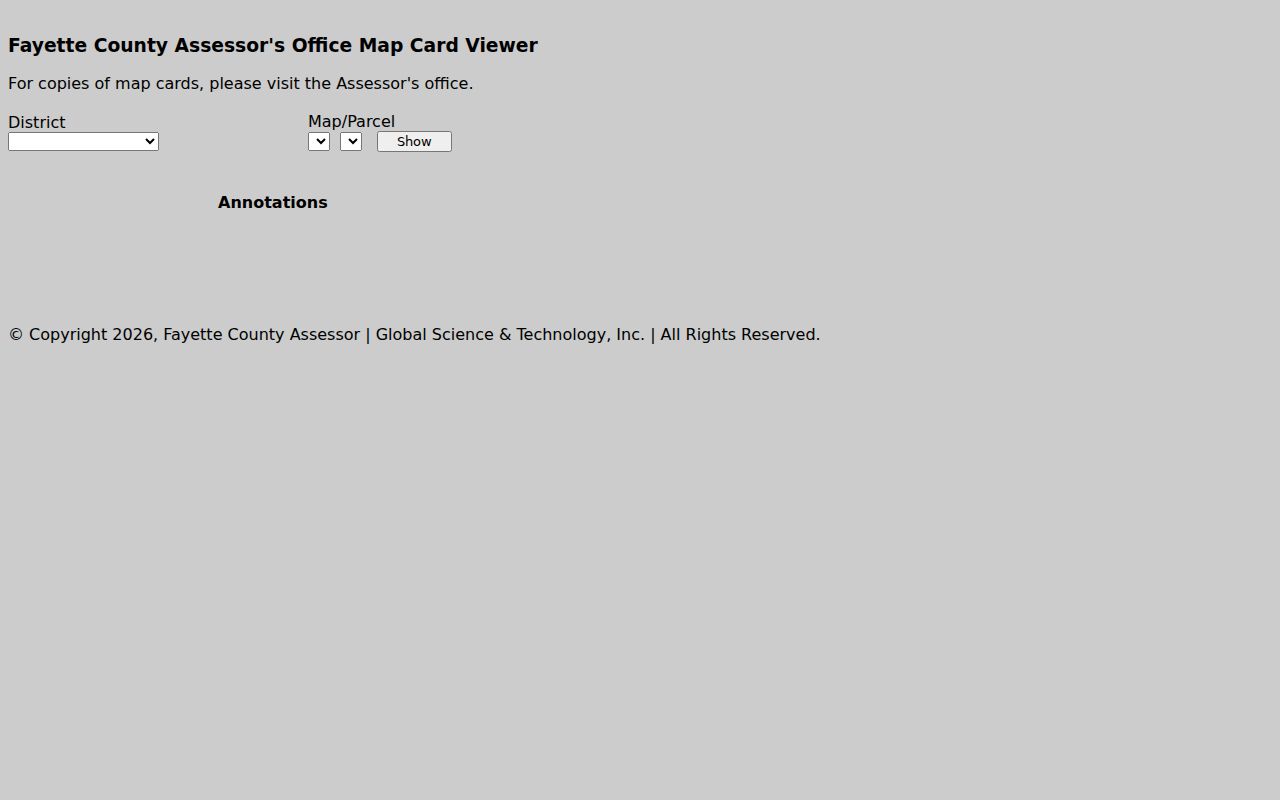
The assessor search returns District, Map, and Parcel numbers. Those figures open the card image in the separate map-card viewer. The viewer pairs parcel components and a map reference with the owner field. Fayette County notes that cards are updated frequently. It urges users to view the newest version at the office. A card can disagree with a recent deed. When that happens, take the deed date and legal description to the Assessor. Ask about the current roll.
Fayette County Property Owner Privacy Limits
West Virginia public-record access has limits. The Safe at Home program, formally the Address Confidentiality Program, gives qualifying participants a substitute mailing address. It also provides protections. A protected address may not match the property situs. It may also be withheld under program rules. Birth records stay confidential until 100 years have passed. Court and voter records carry their own restrictions. Never assume a public address field applies to every person or record type.
Looking into property records is fair for a purchase review. It is also fair for estate work, house history, or a civic question. Use a custodian to verify any record you rely on. Do not use an owner name to stalk, threaten, or harass anyone. For details on the current name on the tax roll, see the Fayette County current owner record.
What an Owner Search Cannot Prove
A Fayette County owner lookup has firm limits. It can find a name on an assessment roll or deed. It cannot confirm who actually lives at the property, whether every interest is recorded, or whether a title is clean. GIS lines are not surveys. A permit applicant is not always the owner. When property records conflict, compare the source document and ask the proper office.
Lawful use. Use Fayette County owner records for property research, purchase diligence, estate work, and civic purposes. Do not use an owner name or address to stalk, intimidate, or harass a person.